Kyushu, Shikoku & Okinawa: A 14 – 17 Day Journey Beyond Japan’s Golden Route
Southern Japan brings together volcanic landscapes, soothing hot springs, historic port cities, contemporary art islands, quiet gardens, and tropical beaches. This itinerary is ideal for travelers who want Japan with more depth, more scenery, and fewer predictable stops.

A more immersive way to experience Japan
Kyushu, Shikoku, and Okinawa give travelers a different rhythm from the classic Golden Route. The experience is more regional, more scenic, and often more relaxed, while still offering strong cultural value and excellent connectivity.
This Southern Japan route is strong for travelers who want:
Build the journey around Kyushu, Shikoku, and Okinawa
The strongest version of this itinerary uses Kyushu as the cultural and volcanic base, Shikoku as the peaceful art-and-garden counterpoint, and Okinawa as the tropical finale.


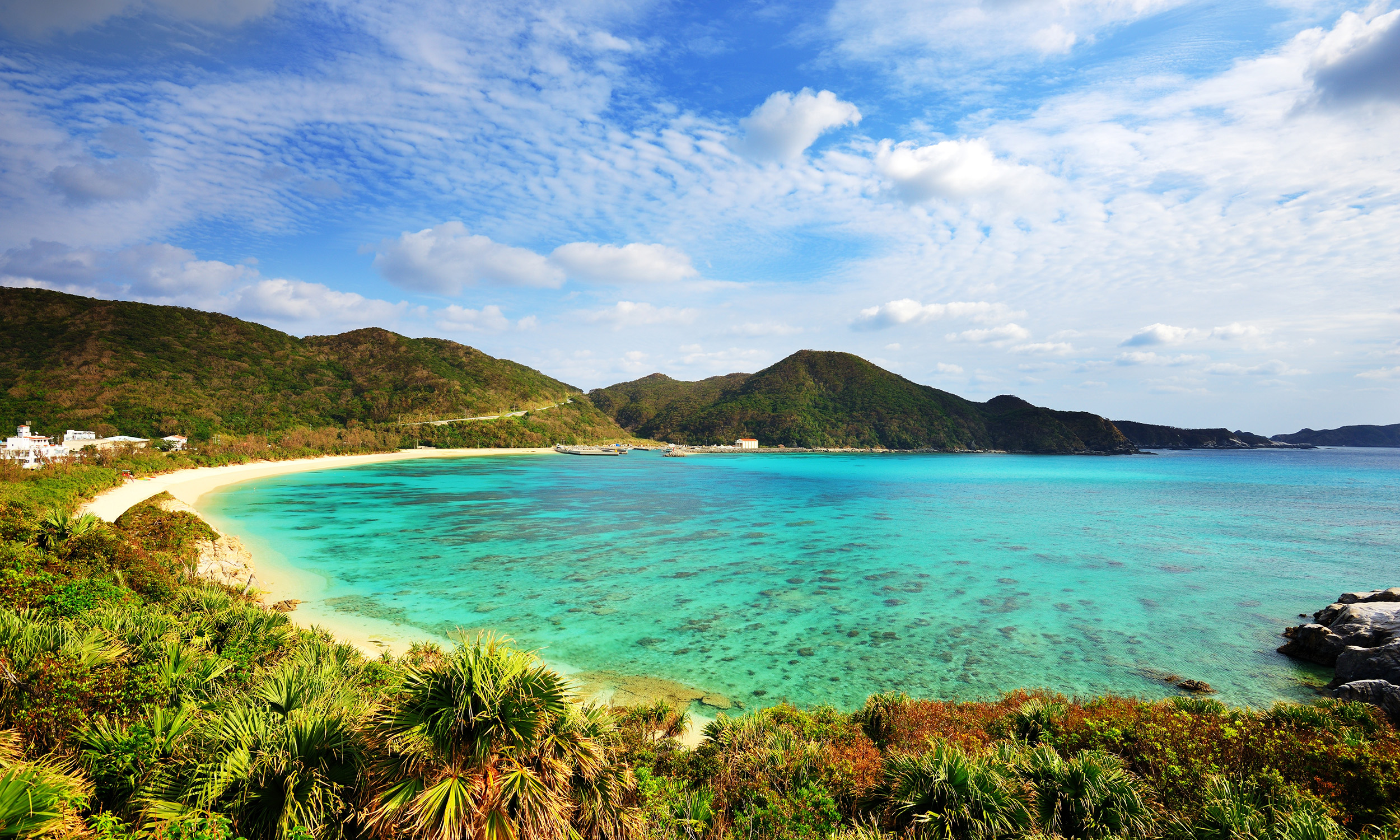
Okinawa
Okinawa works best as a 2–4 night finale, adding beaches, snorkeling, Ryukyuan culture, island cuisine, and a softer ending after the active mainland route.
Why visit Southern Japan?
This itinerary is not just a longer Japan trip. It is a different Japan trip, designed around regional contrasts and a richer sense of place.
Kyushu: onsen towns, volcanoes, food, and historic port cities
Kyushu is the operational anchor of this route. It gives the itinerary its strongest mix of rail-friendly cities, natural landscapes, regional food, and cultural contrast.

Start in Fukuoka
Fukuoka is the culinary gateway to Kyushu and a practical starting point for a Southern Japan itinerary.
- Hakata ramen street stalls
- Canal City shopping
- Ohori Park
- Strong rail connectivity
Relax in Beppu
Beppu is one of Japan’s most famous hot spring towns and a key reason to include Kyushu in a longer Japan vacation.
- Colorful Hells of Beppu
- Sand baths and steam cooking
- Traditional ryokan-style stays
- Onsen-centered atmosphere

Explore Mount Aso and Kumamoto
Mount Aso brings dramatic caldera scenery, while Kumamoto adds castle history and a strong cultural base.
- Mount Aso volcanic landscapes
- Kumamoto Castle
- Suizenji Garden
- Nature and samurai-era heritage

Reflect in Nagasaki
Nagasaki carries deep global significance and also offers a distinctive international port-city character.
- Nagasaki Peace Park
- Atomic Bomb Museum
- Glover Garden
- International trading history

Continue to Kagoshima
Kagoshima gives the route a subtropical feel, with views of Sakurajima rising from the bay.
- Ferry to Sakurajima
- Shiroyama Observatory
- Sweet potato shochu tasting
- Southern Kyushu atmosphere
Shikoku: art, gardens, castles, and quiet Japan
Shikoku works as the cultural reset point of the itinerary. After Kyushu’s volcanic energy, Shikoku gives travelers slower pacing, garden beauty, Seto Inland Sea scenery, and access to Japan’s contemporary art islands.
Okinawa: the tropical finale
Add 2–4 nights in Okinawa when the itinerary needs a softer ending. It works especially well after the active rail-and-city rhythm of Kyushu and Shikoku.
Why add Okinawa?

A flexible 14–17 day Southern Japan itinerary
This route can be adjusted depending on pace, season, flight availability, and whether Okinawa is included as a beach extension.
Arrive in Fukuoka
Start with Hakata food culture, canal-side shopping, parks, and an easy introduction to Kyushu before moving deeper into the region.
Beppu and Kyushu onsen culture
Continue to Beppu for geothermal scenery, hot springs, steam cooking, and a more traditional Japanese bathing experience.
Kumamoto and Mount Aso
Use Kumamoto as a base for castle history, garden scenery, and a possible excursion toward Mount Aso’s volcanic landscapes.
Nagasaki
Visit one of Japan’s most meaningful cities, combining Peace Park, the Atomic Bomb Museum, Glover Garden, and international port heritage.
Kagoshima and Sakurajima
Add southern Kyushu atmosphere, bay views, Sakurajima volcano, and regional food before transitioning toward Shikoku or ending the Kyushu-only version.
Takamatsu, Naoshima, and Matsuyama
Shift into Shikoku with Ritsurin Garden, Seto Inland Sea art islands, Dogo Onsen, and Matsuyama Castle.
Optional Okinawa extension
Finish with Okinawa for beaches, snorkeling, island food, and a relaxed tropical finale before flying home.
When to plan Kyushu, Shikoku, and Okinawa
Southern Japan can work across multiple seasons, but the experience changes significantly depending on weather, flowers, heat, beach conditions, and traveler pace.
Planning questions for Southern Japan
These questions help travelers decide whether this itinerary is the right fit compared with a first-time Tokyo, Kyoto, and Osaka route.
Plan a deeper Japan vacation with Tripmasters
Kyushu, Shikoku, and Okinawa are ideal for travelers who want Japan beyond the expected route. Build a flexible vacation package with flights, hotels, transportation, and the right mix of culture, scenery, food, and relaxation.